Why Ambient Sound Makes Your Videos 10x More Engaging
The science behind why ambient sound boosts video engagement. How background audio keeps viewers watching longer and drives more conversions.
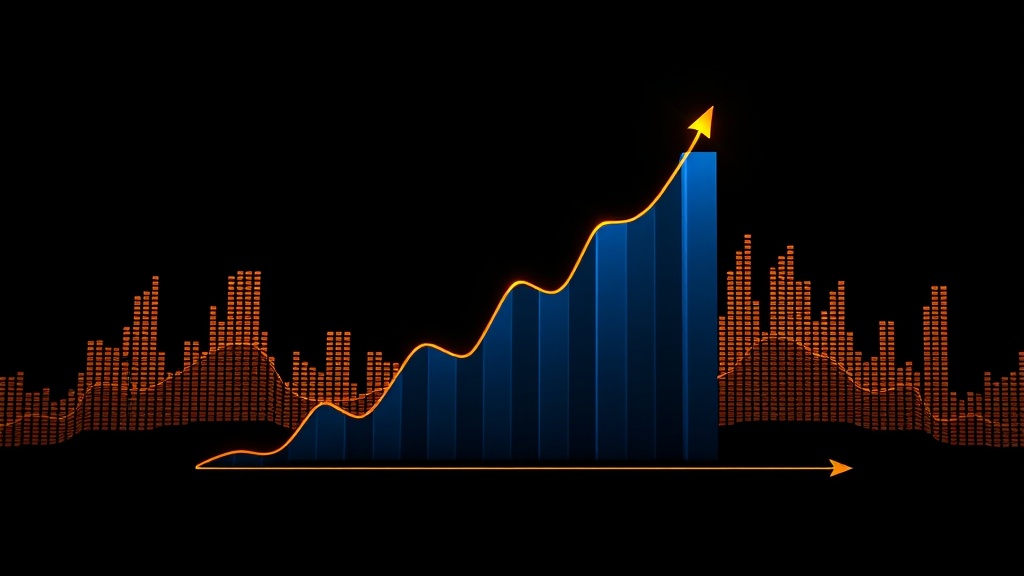
85% of Facebook videos are watched without sound. But that doesn't mean audio doesn't matter -- it means the right audio matters. Ambient sound is the difference between a flat clip and content that pulls you in.
The Psychology of Ambient Sound
When you hear room tone, footsteps, or the soft hum of outdoor atmosphere, your brain doesn't just process sound -- it builds a space. The video stops being a picture and becomes a place.
This is the principle behind immersive media. Presence -- the feeling of being somewhere -- requires sensory layering. Visual alone gets you 60% of the way there. Audio closes the gap.
It's also why ASMR became a billion-view category on YouTube. People aren't watching those videos for information. They're watching for the sensory experience of being in a quiet, deliberate space. Ambient sound triggers the same mechanism at a subtler level -- viewers don't consciously notice it, but their engagement tells the story.
When your video has ambient audio, viewers feel like they're there. When it doesn't, they're watching a recording.
Silent vs. Sound: The Engagement Gap
The numbers consistently point the same direction: audio improves retention, completion rates, and shares.
TikTok defaults to playing with sound on. The platform was built for audio-forward content, and its algorithm reflects that -- videos with strong audio signals (including ambient sound, not just music) tend to get pushed harder. Instagram and YouTube reward watch time, and watch time goes up when viewers feel immersed.
Ambient sound doesn't require the viewer to consciously engage with it. It works in the background, holding attention even when viewers aren't actively listening. That's the mechanism: subtle sensory engagement that keeps the scroll finger still.
Types of Ambient Sound That Work
Different environments call for different audio textures:
Nature Wind, birdsong, flowing water. Works for outdoor real estate, fitness content, wellness brands, travel footage. Creates calm and openness.
Urban Traffic, pedestrians, city hum. Works for restaurant and hospitality content, street-level retail, lifestyle brands. Creates energy and aliveness.
Indoor Room tone, kitchen sounds, crowd murmur. Works for home and interior content, food and dining footage, event spaces. Creates warmth and presence.
Atmospheric Rain, distant thunder, evening crickets. Works for moody or narrative content, lifestyle brands, anything that benefits from a cinematic feel. Creates texture and depth.
Each environment type signals something to the viewer. Matching the audio texture to the visual content -- and to the emotion you want to evoke -- is the key to getting the impact.
Platform-Specific Impact
How ambient sound works varies slightly by platform, and it's worth understanding the defaults:
TikTok Sound is on by default. Audio is not optional on TikTok -- it's an integral signal the algorithm reads. Ambient sound under your main content gives the video a "produced" quality that distinguishes it from raw footage.
Instagram Reels Auto-plays muted in feed, but users toggle sound on for content that catches their eye. If the visual earns the tap, the ambient audio keeps them through the full clip.
YouTube Sound is expected. A silent YouTube video feels broken, like something went wrong. Ambient sound is the floor -- it's what makes your video feel complete even before music or voiceover is added.
Facebook Muted auto-play is still the default. But videos that users tap to unmute -- because the visual is compelling -- benefit disproportionately from ambient sound. It rewards the tap.
How to Add Ambient Sound Without a Budget
You don't need a sound library, an audio engineer, or expensive post-production software. AI ambient sound generators can analyze your video and create matching audio automatically -- the AI reads the scene and generates audio that fits the environment.
It's the same result you'd get from a skilled sound designer, delivered in under 3 minutes.
Try Dobidy's free tool to add ambient sound to video -- upload any short clip and hear what AI-generated ambient audio sounds like on your specific content.
Best Practices
A few principles for getting the most out of ambient sound:
- Match sound to visuals. This sounds obvious but it's easy to get wrong -- don't add beach sounds to a kitchen, or busy city audio to a peaceful garden walkthrough.
- Keep ambient audio subtle. It should enhance the scene, not compete with it. Ambient sound should be felt more than heard.
- Test with sound on and off. Watch your video both ways. If the sound-on version clearly feels more immersive, you've got the level right.
- Consider your platform's defaults. If you're posting primarily to TikTok, lead with audio-first thinking. If it's Facebook, make the visual carry the weight while audio rewards those who engage deeper.
Learn how to add ambient sound to your videos with a step-by-step walkthrough, or explore the larger shift happening in how AI is changing sound design for video creators.

Dobidy Team
AI-powered video advertising platform
Ready to create your first video ad?
Upload your product photos and get a polished 10-second video ad. Just $9.
Get Started